
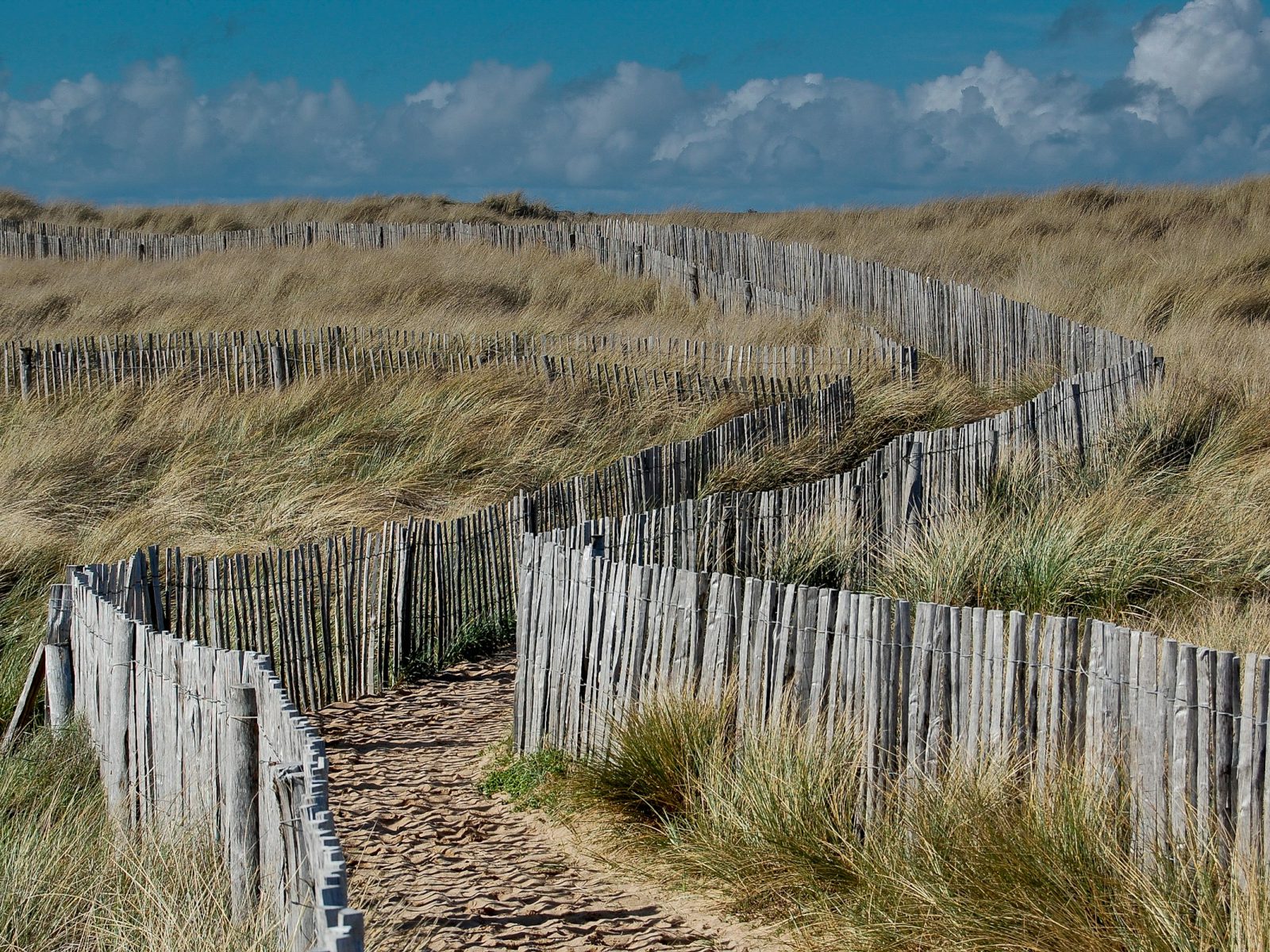
Ringed plovers lay their eggs in a shallow scrape among the shingle, and the eggs look exactly like the stones around them. That is clever for a plover. It is a problem for a person with a dog and a good view of the sea.
Over two weekends in October, fourteen new volunteers learned to read a beach the way a plover does. They practised finding scrapes without stepping near them. They learned the alarm call of an oystercatcher and the thin, sharp cry of a little tern. They also rehearsed what to say to a walker who is about to cross the string line, which Tamsin insists should always begin with hello.
What the season looks like
Wardens work in pairs, two hours at a time, between April and August. Last summer 41 pairs nested inside our fenced areas. We would like more of them to fledge, and that depends on people being there at the right time.
The new wardens bring our total to 186 regular volunteers across all our work. Training for next year opens in September.
I thought I would be the one telling people off. Mostly I am answering questions about what that little brown bird is doing.Rowan, volunteer warden